


Writing Can Hold You Even on Hard Days
Some days, writing feels impossible. Your emotions are loud, your focus is thin, and the idea of creating anything meaningful feels out of reach. Yet healing through writing often begins on emotionally hard days, not after you feel calm, motivated, or “put together.”
Many writers believe they need emotional stability before they can create. This belief quietly keeps people stuck, waiting for a better mood that never quite arrives. The truth is gentler and more realistic. You do not need to be okay to write. Writing can meet you in the middle of overwhelm, grief, anxiety, or emotional exhaustion and still offer relief.
This article is for writers navigating emotionally hard days. If you want to learn how to use emotion as material rather than a barrier, show up on the page without forcing positivity, and write without needing to feel better first, you are in the right place.
Writing Through Emotional Hard Days Starts Before You Feel Ready
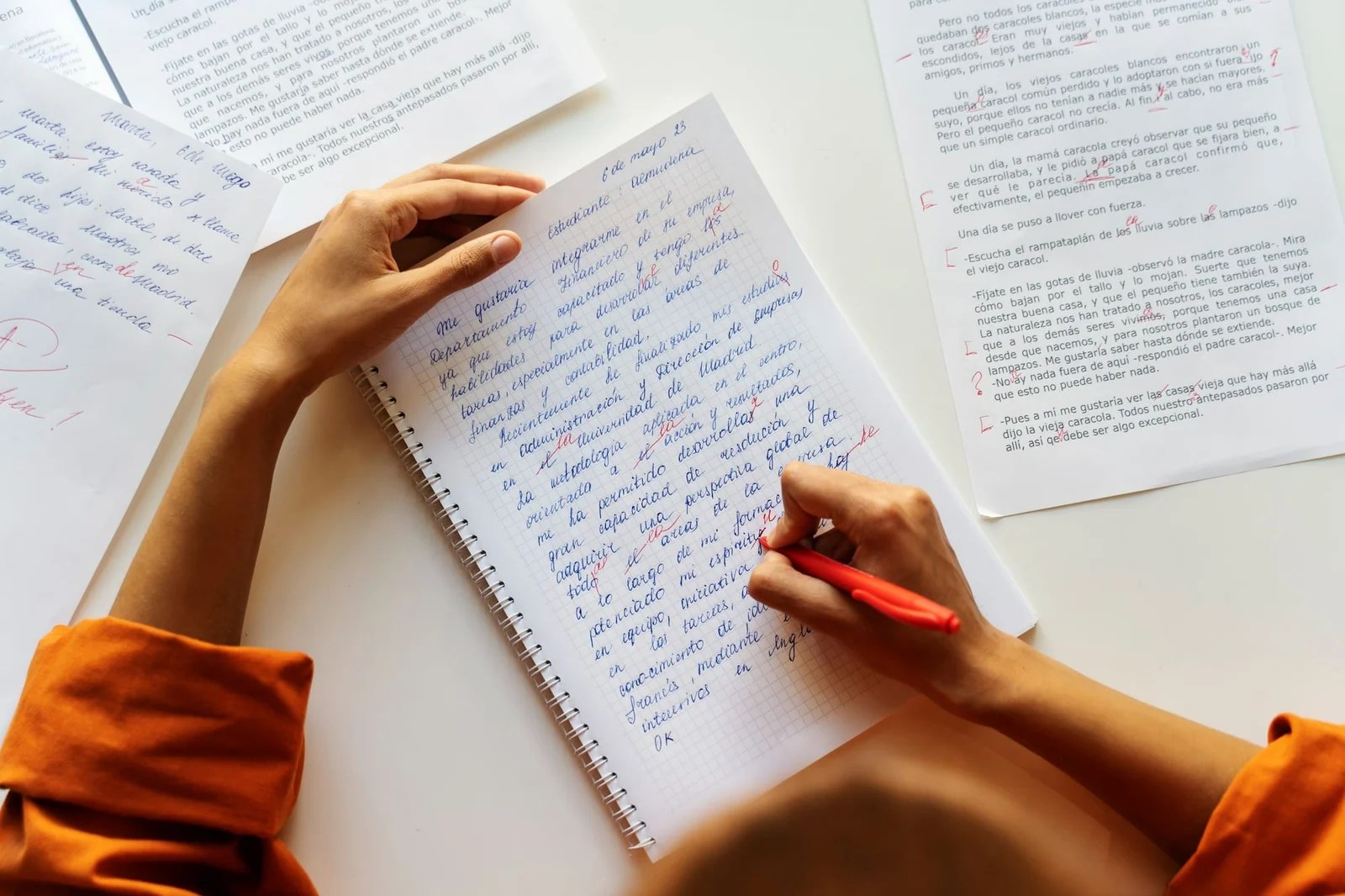
Most people wait to write until they feel emotionally steady. Unfortunately, emotional steadiness is often the result of expression, rather than a requirement for it.
On hard days, emotions tend to loop internally. Thoughts repeat. The body holds tension in your chest, jaw, or shoulders. When feelings stay trapped internally, they often grow louder. Writing offers a way to move those emotions outward instead of letting them circulate endlessly in your head.
Writing while emotional is not about productivity. It is about release. Even a few sentences can create psychological distance between you and what you are feeling, which helps reduce emotional intensity.
Before moving forward, it helps to reset expectations and gently redefine what writing looks like on emotional days.
Writing on emotional days is not about:
- crafting something polished
- gaining insight immediately
- turning pain into inspiration
It is about presence. Being yourself is enough.
Why Emotional Writing Feels So Hard and How to Use Emotion as Material
Emotional writing feels difficult because it removes distance. When you write while feeling raw, there is no emotional buffer between you and the page. The words reflect exactly where you are, which can feel vulnerable or even unsafe.
This often triggers fears such as:
- What if I feel worse after writing?
- What if this is messy or incoherent?
- What if I open something I cannot close?
These concerns are valid. However, research suggests that expressive writing can reduce emotional distress over time, according to psychologist James Pennebaker, whose work has been widely published in journals like Harvard Health Publishing. Writing about emotional experiences can lower stress, improve mood, and support emotional regulation.
The key difference lies in how you approach the page.
Instead of treating emotion as something to overcome, treat it as raw material. This means observing feelings rather than trying to solve or fix them. Observation keeps you grounded and reduces pressure.
You can do this by asking:
- What does this emotion feel like in my body?
- Does it feel tight, heavy, sharp, or dull?
- If this feeling had a texture or sound, what would it be?
When emotion becomes something you describe rather than fight, writing becomes safer. You are not demanding clarity. You are allowing honesty.
You do not need insight to begin. Description is enough.
Gentle Mental Health Journaling When Words Feel Heavy
Once emotion stops being the enemy, the next challenge is writing gently enough not to overwhelm yourself.
Mental health journaling does not require structure, length, or emotional breakthroughs to be effective. On emotionally hard days, simplicity supports safety.
Journaling works by externalizing thoughts. This means moving emotions from your mind onto the page. According to the American Psychological Association, expressing emotions through writing can reduce stress by lowering cognitive load, or the mental effort required to manage intense feelings.
Here are gentle techniques designed specifically for low-energy or emotionally heavy days. You only need to try one. Even a small attempt is enough.
1. Timed release writing
Set a timer for five minutes and write continuously until it ends. Stop immediately when the timer goes off, even if you are in the middle of a sentence. This creates a clear boundary, which helps prevent emotional overload.
2. Body-based journaling
Write one or two sentences describing physical sensations, such as “My chest feels tight” or “My shoulders feel heavy.” This grounds writing in the present moment and helps regulate the nervous system.
3. Third-person journaling
Write about yourself using “they” instead of “I.” This creates psychological distance, making difficult emotions feel less overwhelming and more approachable.
4. Permission statements
Begin sentences with “I am allowed to…” and let them end naturally. This technique reduces internal pressure and self-judgment, especially for writers who feel they must perform even while struggling.
These practices are not about insight. They are about relief.
Journaling Prompts for Mental Health on Emotional Days
When starting feels hard, prompts offer a gentle entry point into writing without overthinking.
Here are journaling prompts for mental health support that work well on emotionally hard days:
- What am I carrying today that no one else can see?
- What feels hardest right now, without explanation?
- If my emotions could speak, what would they say first?
- What do I need less of today?
- What am I avoiding feeling, and why might that make sense?
Choose one prompt only. Answer briefly. You do not need to finish the thought or make it meaningful.
Showing up softly still counts as healing through writing.
How to Show Up on the Page Without Forcing Positivity
As writing becomes gentler, many writers encounter another barrier. The pressure to end on a positive note.
There is a common belief that writing should transform pain into something uplifting. While growth may come later, forcing positivity too early can shut down honesty. Writing that bypasses discomfort often feels shallow because it skips the part that needs expression most.
Instead of ending your writing with a lesson or takeaway, try ending with:
- a question
- an unfinished sentence
- a description of how the emotion feels right now
Your writing does not owe anyone optimism. It owes you presence.
According to Positive Psychology, emotional safety increases when people are allowed to express feelings without judgment or reframing. Writing is not therapy, but it can support emotional regulation when pressure is removed.
When Writing Feels Like Too Much and What to Do Instead
Even with gentle techniques, there will be days when writing feels inaccessible. That does not mean you are failing.
On especially hard days, forcing yourself to write can increase emotional exhaustion. Rest is not avoidance. Rest can be part of the creative process.
Low-effort alternatives that still support a writing mindset include:
- rereading old journal entries without adding anything
- copying a paragraph from a book that feels grounded
- writing one sentence and stopping
- speaking thoughts into your phone instead of typing
When writing feels this inaccessible, self-judgment often shows up too. You are still a writer, even when you rest.
FAQs
1. Can writing while emotional make things worse?
Writing can temporarily intensify emotions, especially if you push too hard or write without boundaries. However, studies on expressive writing show that when done gently and briefly, it often reduces distress rather than increases it.
2. Is journaling the same as healing through writing?
Journaling is one form of healing through writing. Others include poetry, letters you never send, fragmented notes, or voice journaling. Healing comes from expression, not format.
3. How often should I practice mental health journaling?
There is no ideal frequency. Writing once a week or once a month can still be beneficial. Consistency matters less than self-compassion.
Your Words Do Not Need You to Be Okay
Healing through writing is not about fixing yourself. It is about giving your emotions somewhere to go.
Some days writing will feel relieving. Other days, it may feel uncomfortable or neutral. What matters is not the outcome. What matters is that you showed up honestly.
If today feels heavy, write one sentence. Let it be messy. Let it be unfinished.
Your next step:
Choose one gentle technique from this article and try it today. Set a five-minute timer. Write without fixing. Then stop.
That is enough. That is writing. And that is healing through writing.



0 Comments