

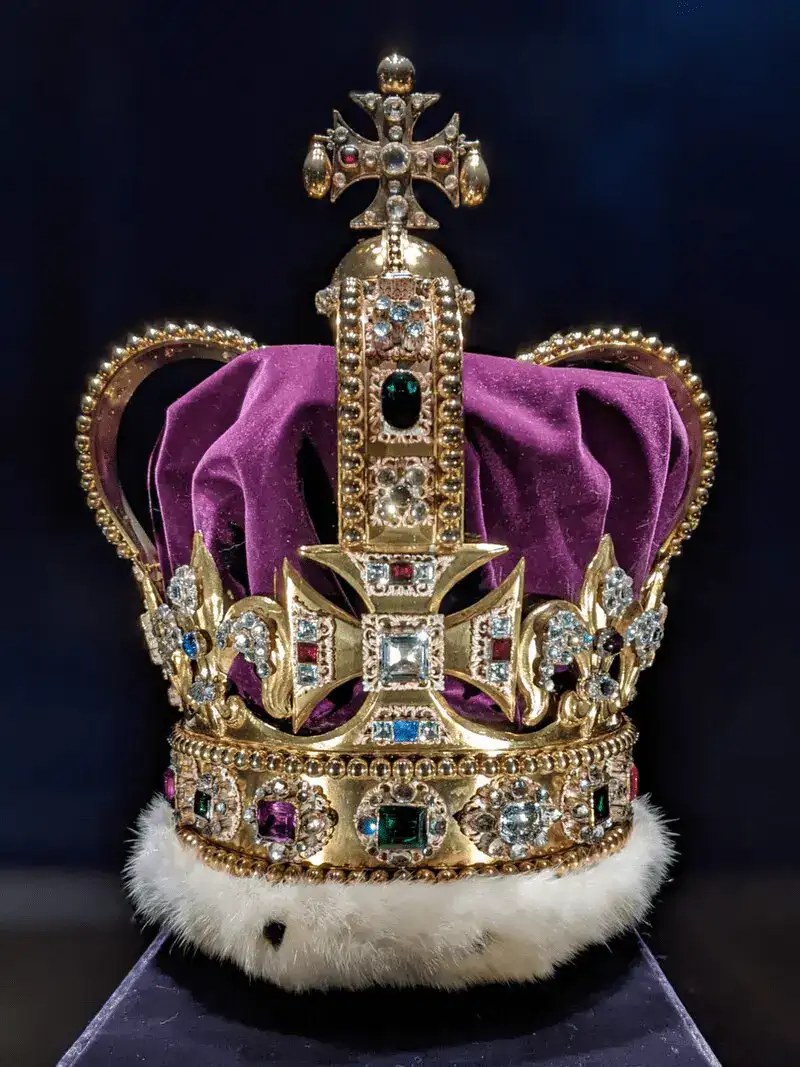
We’ve all seen how shows like The Crown dramatize the British monarchy—and Henry VIII’s reign is no exception. Heck, he even has an entire TV series, The Tudors, dedicated to his messy life. But, as patriarchy would have it, the spotlight usually stays on him, while his six wives get reduced to that grim little rhyme: divorced, beheaded, died, divorced, beheaded, survived.
Well, not here.
In this article, we’re giving these women their due. Meet the remarkable queens who stood beside one of England’s most infamous monarchs.
Buckle up, this is going to be a wild royal ride. No, seriously, it’s a long read, forgive me.
Table of Contents
- Divorced: Catherine of Aragon, The Spanish Princess
- Beheaded: Anne Boleyn, Mother to Queen Elizabeth I
- Died: Jane Seymour, Henry VIII’s Favorite
- Divorced: Anne of Cleves, The Ultimate Survivor
- Beheaded: Catherine Howard, What a Tragic End
- Survived: Catherine Parr, The So-Called Nurse
- Six Wives, One Dynasty
- Frequently Asked Questions (FAQs)
Divorced: Catherine of Aragon, The Spanish Princess
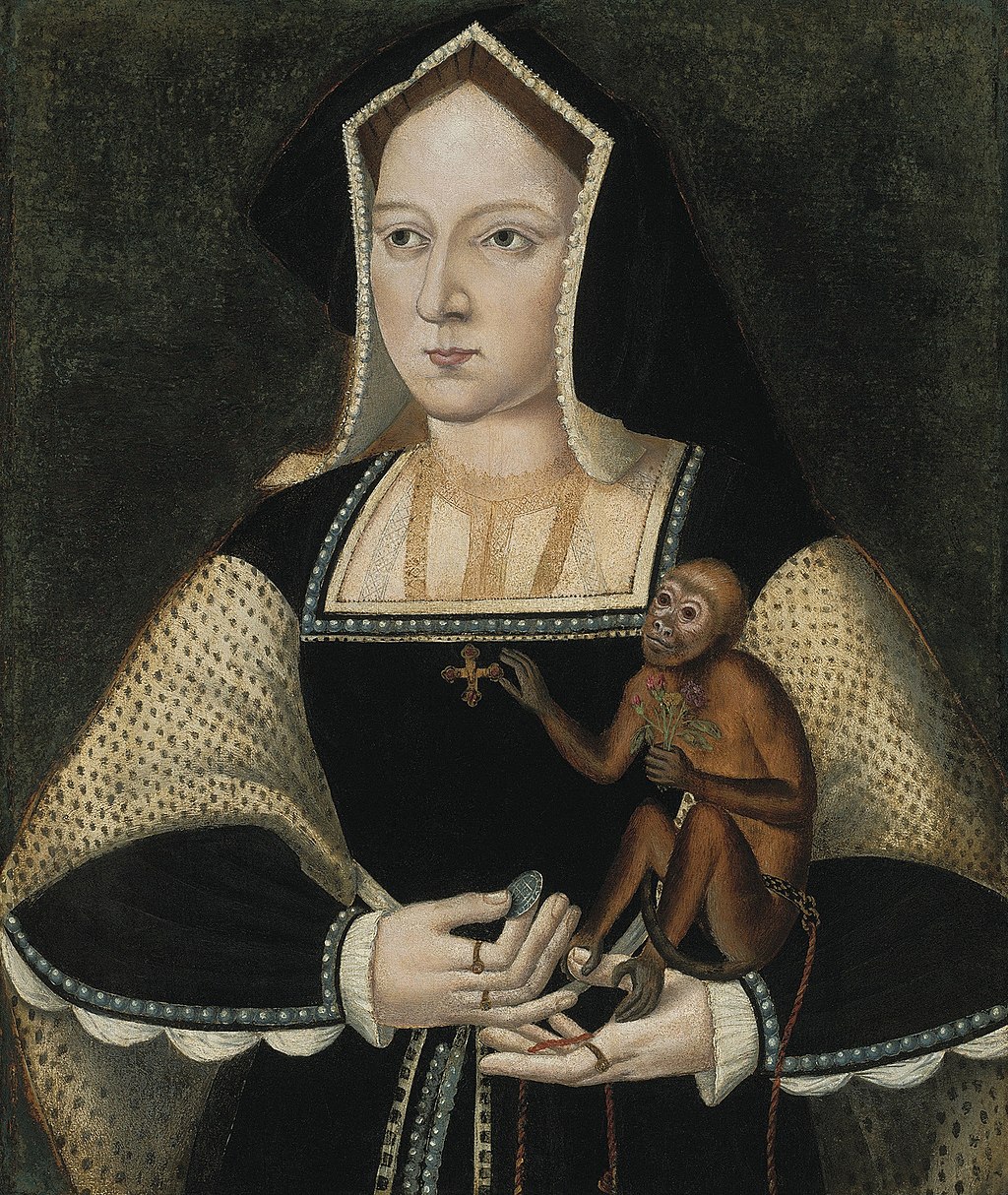
Catherine of Aragon was the daughter of King Ferdinand II of Aragon and Queen Isabella I of Castile. She belongs to a royal family with undeniable political clout.

Not a lot of people know this, but Catherine of Aragon was actually shipped off to England to marry Prince Arthur, Henry VII’s heir—yep, not Henry VIII. Tragically, Arthur died just a year into the marriage, leaving Catherine a teenage widow in a foreign land.
To salvage the precious Anglo-Spanish alliance, she was re-betrothed to Arthur’s younger brother, Henry. They eventually tied the knot in 1509, when Henry finally ascended the throne.
Catherine and Henry’s marriage lasted a solid 24 years. Together they had six children, though heartbreak followed: only one, Mary Tudor, survived infancy.[1] (You might know her better as Bloody Mary, the queen who later tried to restore Catholicism with some… let’s say, “fiery” methods.)
Through it all, Catherine wasn’t just a loyal wife and devout Catholic; she proved herself a leader. She even acted as regent of England while Henry was off playing soldier in France.
All seemed to be going great, but here’s the catch: Henry wanted—no, demanded—a son. In the ruthless logic of dynasties, only a male heir could secure his legacy and keep the fledgling Tudor line stable. The absence of a surviving boy ate away at him and eventually cracked the royal marriage.
Enter young and dazzling Anne Boleyn. In 1522, Anne waltzed into court as one of Catherine’s ladies-in-waiting. Stylish and quick-witted, she caught Henry’s eye.
Henry became so infatuated that he pushed for an annulment of his marriage to Catherine, using the argument that their union was invalid because she’d once been his brother’s wife. (Technically, that made her his ex-sister-in-law. Awkward!)
But Catherine wasn’t about to go quietly. Fiercely protective of her title as queen and of her daughter Mary’s future, she fought and pleaded that the church hear her case. Because of her efforts, Pope Clement VII refused to grant Henry the annulment he craved, and all hell broke loose.
Henry did the unthinkable—he broke ties with Rome and declared himself Supreme Head of the Church of England. This allowed him to decide England’s religious future, which included rules about divorce and annulment.[2]

By May 1533, the marriage was annulled. Catherine was cast aside, forced into exile, and heartbreakingly never saw her daughter Mary again.
Beheaded: Anne Boleyn, Mother to Queen Elizabeth I
Whilst the king’s annulment from Catherine of Aragon was still being “investigated,” Henry was already wrapped up with Anne—and not just romantically. By the time the two secretly married in 1533, Anne was already pregnant with their daughter, the future Elizabeth I. (So much for waiting until the paperwork was finalized.)
Anne Boleyn wasn’t your typical court lady. She was confident, witty, and bold enough to turn the king down when he first offered to make her his “sole mistress.” Nope—if Henry wanted her, it was queen or nothing.

Educated and cosmopolitan from her years in the French court, she spoke fluent French, dabbled in Latin, played music, and read widely. One of which was William Tyndale’s The Obedience of a Christian Man, which argued that God’s word, not the Pope, was the supreme authority.
Some claim that it was through Anne’s influence that Henry made the decision to break away from the Roman Catholic Church.[3]

But while Henry may have married Anne for love (or lust, depending on who you ask), her survival at court hinged on producing a male heir. And that’s where tragedy struck. Despite giving birth to Elizabeth, she suffered multiple miscarriages, including a tragic loss in 1536.
Meanwhile, Henry’s eyes had already landed on—you guessed it—another lady-in-waiting, Jane Seymour. To remove Anne from the equation, Thomas Cromwell, Henry’s trusted advisor, accused Anne of adultery, incest, and high treason. All of these offenses were punishable by death.
Anne’s trial was a farce, but witnesses noted her sharp mind and eloquence. Denied a lawyer, she nonetheless defended herself with composure, making arguments so precise and clear that some wondered if she might sway the outcome.[4]
But the verdict was never really in doubt. In May 1536, Anne Boleyn was executed by beheading, just three years after the height of her triumph.
Her legacy didn’t end in vain, though. Her daughter Elizabeth I went on to become one of England’s greatest monarchs, ushering in a golden age that reshaped the world.
Died: Jane Seymour, Henry VIII’s Favorite
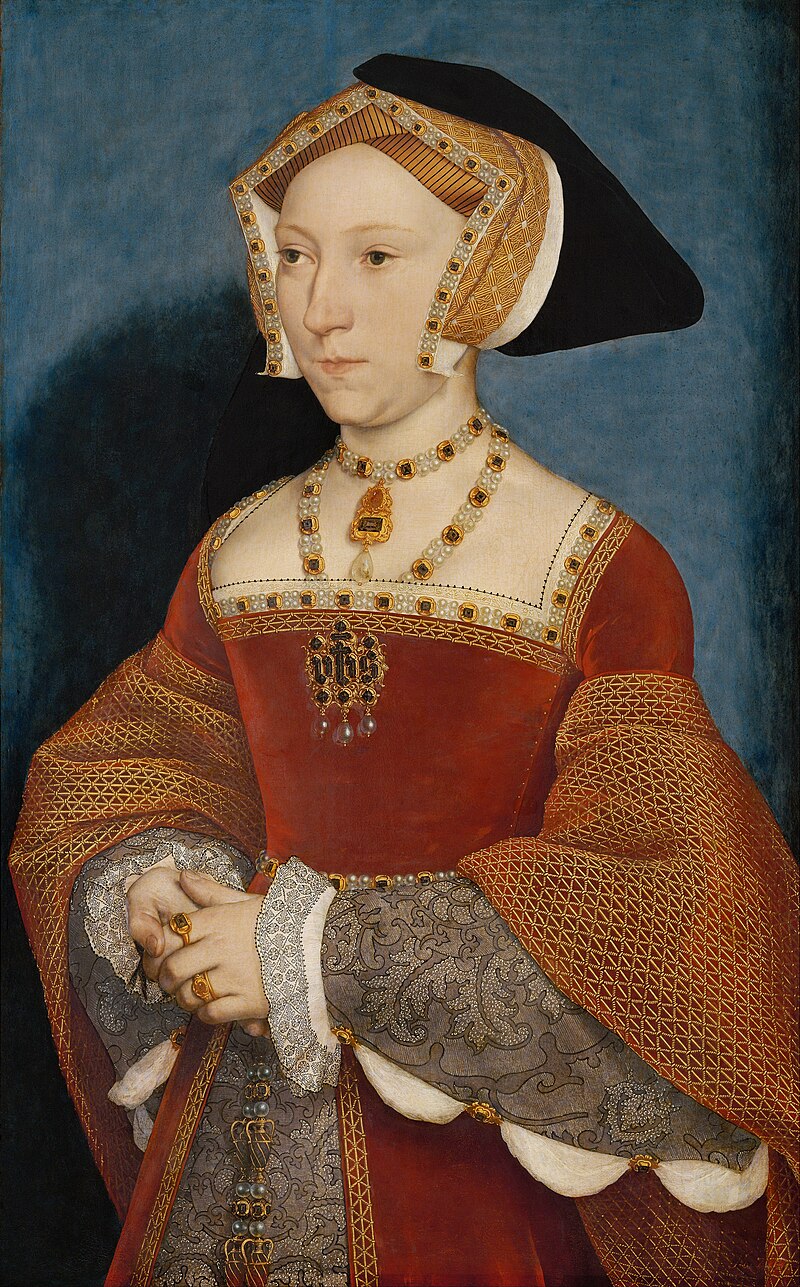
If Anne Boleyn was all fire and drama, Jane Seymour was the calm after the storm—quite literally. She appeared on Henry’s radar just two months before Anne’s downfall, and in true Henry fashion, he didn’t waste time.
Anne was executed in May 1536, and just 11 days later, Henry married Jane. Subtlety clearly wasn’t his strong suit.
Unlike her strong-willed predecessors, Jane kept a much lower profile at court. Both Catherine and Anne were bold and often clashed with Henry. In dire contrast, Jane was obedient, modest, and often bowed to Henry’s will. No wonder she’s his favorite.
She even set strict rules for her ladies-in-waiting, insisting on virtue and modest dress, which only made Henry (and the court) adore her more.

Politically, she didn’t wield Anne’s influence, but she made her mark in other ways. Most notably, she encouraged Henry to reconcile with his eldest daughter, Mary. Out of respect for Mary’s mother, Catherine of Aragon—Jane’s former mistress—she helped restore the princess to her father’s favor.[5]
But Jane’s true legacy rests on one thing: she gave Henry the son and heir he’d been obsessing over for decades. On October 12, 1537—after three grueling days of labor—Jane delivered a healthy baby boy, Edward VI. (How delightful it was to learn that I share a birth date with a future, albeit short-lived, king.)
Tragically, Jane didn’t get to enjoy her triumph for long. Just twelve days after Edward’s birth, she succumbed to childbed fever, an infection that struck many women of the time. On October 24, 1537, Jane Seymour died.

They buried her at St. George’s Chapel, Windsor, making her the only one of Henry’s wives to receive a proper queen’s funeral. When Henry died in 1547, he chose to be laid to rest beside his “sweet Jane”—a rare sentimental gesture from a king better known for moving on quickly.[6]
Divorced: Anne of Cleves, The Ultimate Survivor
By 1537, England became politically and religiously isolated after Henry’s dramatic breakup with the Catholic Church. Henry was desperate for an alliance that would shore up his shaky position, and what better way to find more allies than to marry yet another royal woman.
Cue Thomas Cromwell, Henry’s ever-loyal fixer, who arranged a match with Anne of Cleves—a princess from a small German duchy that, conveniently, also opposed the Pope. The “courtship” was more paintbrush than passion. Hans Holbein, a celebrated artist, painted Anne’s portrait with flattering beauty and virtue to secure Henry’s interest.[7]

Unfortunately, when Anne finally arrived in England and met the king face-to-face, sparks did not fly. Henry famously grumbled that he found her unattractive, and the language barrier didn’t help. Still, duty prevailed: on January 6, 1540, Anne married Henry at Greenwich Palace.
Six months later, the king was already plotting an exit strategy. On July 9, Anne was served divorce papers.
At first, she refused to sign—understandably nervous she might end up exiled like Catherine of Aragon. But then she pulled a genius move. Instead of resisting, Anne agreed to the annulment as long as Henry treated her with respect, even signing her letter to him as his “most humble sister and servant.”
Henry, surprisingly charmed by her grace, agreed.
Anne lived another 17 years after the annulment. She received a massive divorce settlement, palaces (including Richmond and Hever Castle), and the respect of Henry’s children.[8]
She even appeared publicly at Queen Mary I’s coronation, sitting alongside Princess Elizabeth. When Anne died in 1557, her mourners carried out her wish by giving her a lavish funeral at Westminster Abbey.[9]

So, while history often remembers her as the wife Henry didn’t want, Anne of Cleves got the last laugh. She stayed single, got rich, and even ended up on decent terms with the king and his heirs. Plus, she wasn’t murdered or vilified, which—based on Henry’s track record thus far—is a feat in itself.
Beheaded: Catherine Howard, What a Tragic End
Less than a month after dumping Wife #4, Henry VIII was back at the altar. His new muse was a young woman named Catherine Howard, who was unfortunately used by her family as a political pawn to get closer to the king and gain more dominance.
On July 28, 1540, he married Catherine—on the very same day his once all-powerful minister, Thomas Cromwell, was executed. (Their bromance fell apart after the “Anne of Cleves debacle,” but I digress.)
Catherine was formally proclaimed queen on August 8. Honestly, this man didn’t know when—or how—to stop. She was a teenager. He was 49.

Catherine Howard, fun fact, was Anne Boleyn’s cousin. She was young, lively, and exactly the kind of distraction an aging, ailing Henry craved. By then, the king was no longer the dashing prince of his youth.[10]
Years of overindulgence and a nasty jousting injury had left him obese, in constant pain, and, rumor had it, impotent. Catherine, with her charm and vitality, gave him back a sense of youth he thought he’d lost. She even adopted the motto Non autre volonté que la sienne—“No other will but his.” Translation: the very picture of a submissive, traditional queen.[11]
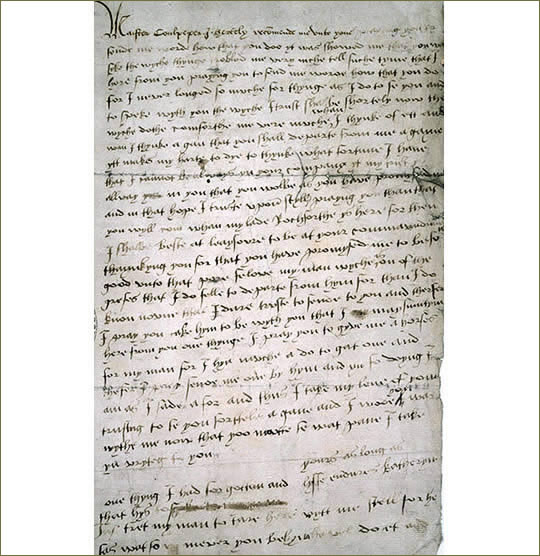
But Henry mistook his marriage for bliss. Catherine shattered that illusion with her infidelity, particularly with courtier Thomas Culpeper.
In April 1541, she even penned him a letter that sealed her fate: “It makes my heart die to think I cannot be always in your company.” She signed it, “Yours as long as life endures.” Not exactly the kind of message you want floating around when you’re married to a paranoid, tyrannical king.[12]

Henry exploded with fury when he learned of Catherine’s past relationships and current betrayal. Authorities arrested her, and in February 1542, they executed her at the Tower of London—barely 18 months into her queenship. She may have been only 18 when she died.
Another young woman was destroyed in Henry’s ruthless pursuit of legacy and control. Honestly? The man was vile. No one’s changing my mind on that.
Survived: Catherine Parr, The So-Called Nurse
What is it with Henry and Catherines??
By the time Catherine Parr became wife #6 on July 12, 1543, she was already twice widowed, about 30 years old, and well-entrenched in Tudor high society. Unlike the teenage Catherine Howard before her, Parr was experienced, intelligent, and had the tact of someone who knew how to survive court life.

She was an author, a reformist, and a loving stepmother who actually brought warmth into Henry’s fractured family. She encouraged the education of young Elizabeth and Edward, who soaked up her attention, and even helped reconcile Henry with his estranged daughter Mary.[13]
Henry clearly trusted her. He even left her as Regent-General when he went off to war in France, meaning she basically ran the country in his absence.
And though Henry was still a conservative at heart, Catherine leaned toward Protestant reform. Boldly so. She entertained reformers at court and later published A Lamentation or Complaynt of a Sinner (1547), an openly anti-Catholic work that would have horrified Henry had he still been alive.[14]
She nearly paid for her boldness, too—conservative enemies at court plotted her arrest. But when guards came, Henry intervened, snapping at them and securing her place.
When Henry finally died in January 1547, Catherine was free at last. And she wasted no time—by May, she’d secretly married Thomas Seymour, the man she’d loved before the king scooped her up.
The following year, she gave birth to a daughter, Mary. Tragically, Catherine died just a week later from childbirth complications, closing her chapter far too soon.[15]

Still, among Henry’s wives, she stands out as the one who survived him and thrived in her own right.
Six Wives, One Dynasty
The wives of King Henry VIII were at the heart of one of England’s most transformative eras. Their stories show us how personal lives can become matters of state, and how women shaped history even under impossible circumstances.
Their legacies remain, not just in the rhyme but in the course of a dynasty that changed the world.
Albeit some met tragic ends, these women proved that their place in history isn’t in mere footnotes of a tyrant’s reign, but as hard proof of what queens are capable of.
Told you it was longer than usual, but learning about the stories of these women is every bit worth it.
Frequently Asked Questions (FAQs)
Why did Henry marry so many times?
Henry married multiple times mainly because he wanted a male heir to secure the Tudor succession, and when one marriage failed (or appeared to), he sought another to solve that problem.
How many surviving children did Henry VIII have with his wives?
From his marriages, only three of Henry’s children survived to adulthood: Mary (by Catherine of Aragon), Elizabeth (by Anne Boleyn), and Edward (by Jane Seymour).
Which wife had the shortest marriage to Henry VIII?
Anne of Cleves technically had one of the shortest marriages—around six months—before their relationship was annulled.
What were Anne Boleyn’s last words?
Before her execution in 1536, Anne Boleyn said: “I have come here to die, according to law, and thus yield myself humbly to the will of the King, my lord.”
References:
[1] Catherine of Aragon | Research Starters | EBSCO Research
[2] Katherine of Aragon | Hampton Court Palace | Historic Royal Palaces
[3] Anne Boleyn | Tower of London | Historic Royal Palaces
[4] What Was Anne Boleyn Really Like? A Look At Her Personality | Love British History
[5] Jane Seymour | Hampton Court Palace | Historic Royal Palaces
[6] Jane Seymour | Research Starters | EBSCO Research
[7] Anne of Cleves: The Great Survivor | Hampton Court Palace | Historic Royal Palaces
[8] Anne of Cleves | Research Starters | EBSCO Research
[9] Anne of Cleves, 4th wife of Henry VIII | Westminster Abbey
[10] 11 facts about Catherine Howard, fifth wife of Henry VIII | HistoryExtra
[11] Catherine Howard | Hampton Court Palace | Historic Royal Palaces
[12] Catherine Howard | Research Starters | EBSCO Research
[13] Katherine Parr: The Wife of Henry VIII Who ‘Survived’ | HistoryExtra
[14] Catherine Parr | Research Starters | EBSCO Research[15] Katherine Parr: Scholar, Stepmother, Survivor | Hampton Court Palace | Historic Royal Palaces









0 Comments